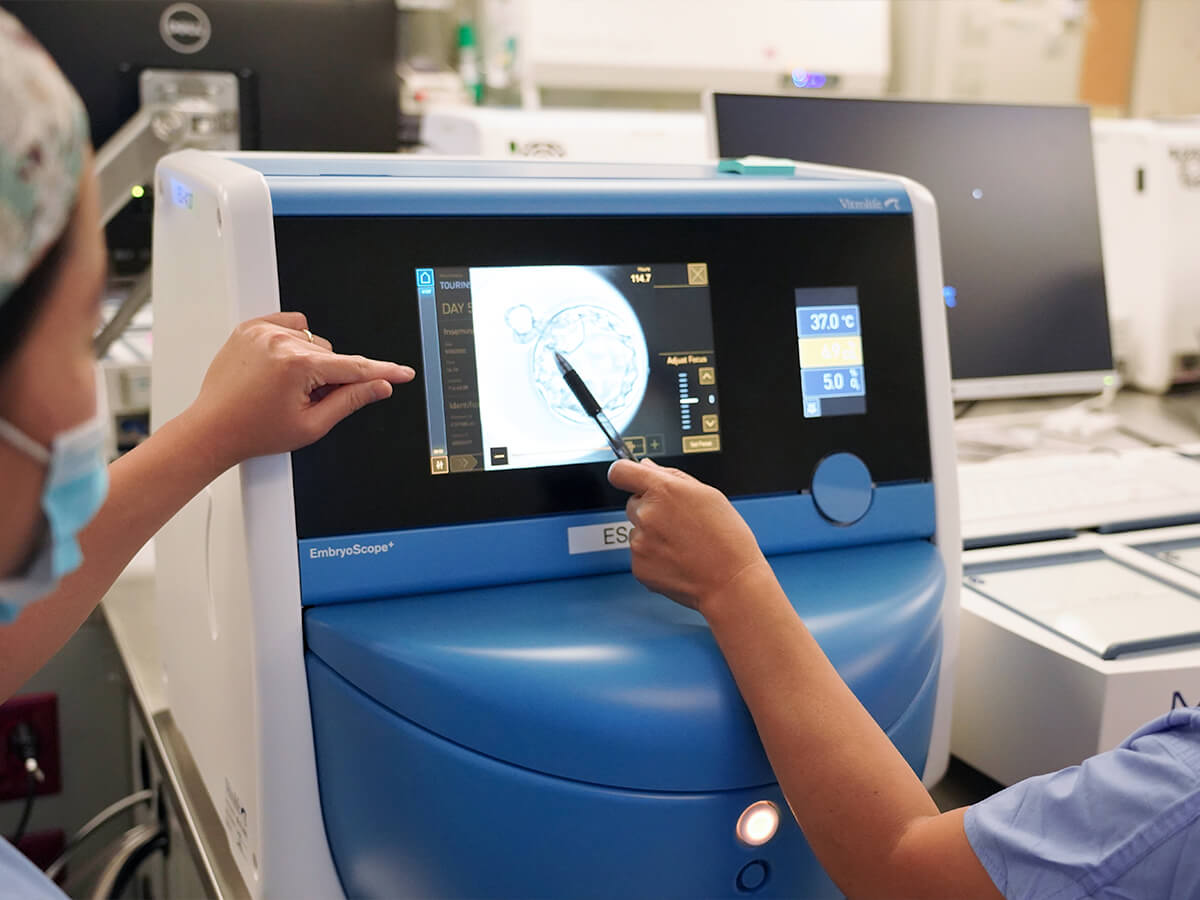
Assisted Reproductive technologies (ART) have shown astounding success, resulting in the birth of more than 8 million children or 1.5% of the population of the Western World.
While the procedures results in the birth of healthy children, one outstanding question is the estimation of long-term risks following the use of these technologies. In fact, fetal adaptations in utero can lead to specific diseases in the adult, including diabetes, high blood pressure and coronary heart disease. This phenomenon is termed the developmental origin of health and disease or the Barker hypothesis. The overarching hypothesis is that preimplantation stress secondary to embryo culture in vitro may reprogram the growth pattern of the embryo. The individual will adapt to the conditions encountered, but by doing so might be predisposed to long term health problem.
We have approached the problem by creating a mouse model of IVF. This will help us to understand how stress during the pre-implantation period affects embryonic, fetal and adult development in a mouse model.
In addition, the Center of Reproductive Health is conducting the Development Epidemiological Study of Children born through Reproductive Technology (DESCRT). DESCRT is a longitudinal study funded by the National Institute of Health to monitor the health of children. The study both looks back in time, at children born after reproductive treatments and forward in time at early pregnancy and delivery after reproductive treatments. The study is ongoing, and we are seeking to enroll thousands of patients, so active participation is very welcomed!